
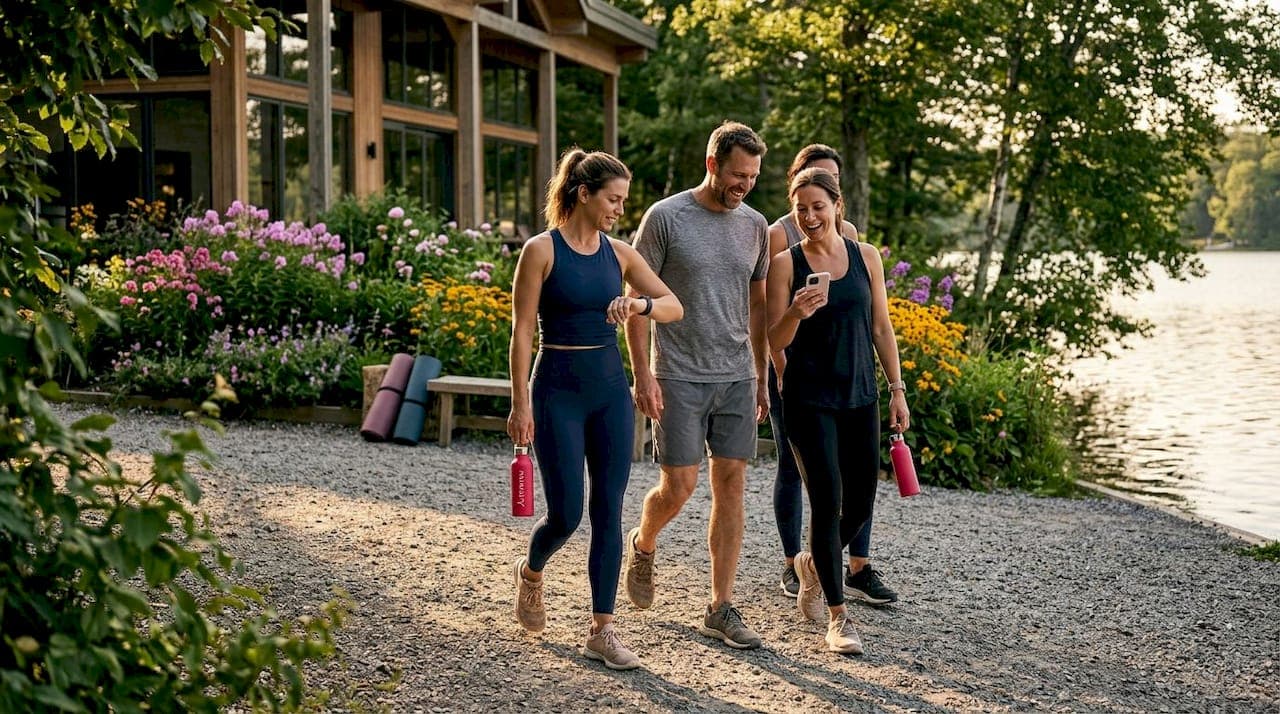
Most travelers still picture a wellness retreat as an expensive spa weekend. That framing sells the concept short. Understanding how wellness retreats enhance travel means recognizing that these experiences are now built around measurable outcomes: improved sleep, reduced cortisol, sharper cognition, and emotional reset. They are structured programs that deliver results you can track. In 2026, the most respected retreats combine science, local culture, and genuine personalization in ways that no standard vacation can replicate. This guide covers what those programs actually include, what benefits you can realistically expect, and how to choose the right retreat for your goals.
Table of Contents
- Key takeaways
- How wellness retreats enhance travel through immersive programs
- The real benefits of wellness retreats for travelers
- Wellness travel trends reshaping retreats in 2026
- How to choose a wellness retreat that actually works
- My perspective on wellness travel in 2026
- Discover curated wellness retreats with TribYou - Your Places
- FAQ
Key takeaways
| Point | Details |
|---|---|
| Retreats are outcome-focused | Modern wellness retreats deliver measurable results including better sleep, stress reduction, and cognitive recovery. |
| Programs are deeply personalized | Biometric testing and personal health assessments allow retreats to tailor every session to your specific needs. |
| Trends are shifting fast in 2026 | Longevity science, sleep-forward design, and hybrid work-wellness models are redefining what retreats offer. |
| Choosing right requires clarity | Define your wellness goals before booking and ask specific questions about certifications, programming, and post-retreat support. |
| The benefits last beyond checkout | Retreats that include exit consultations and take-home routines help you sustain gains after returning home. |
How wellness retreats enhance travel through immersive programs
The biggest difference between a wellness retreat and a relaxing vacation is structure. A vacation gives you freedom. A retreat gives you a program designed to change something.
Structured wellness retreats typically run 4 to 7 days and bundle accommodation, personalized health assessments, therapies, and nutrition plans into a single cohesive experience. That duration is not arbitrary. Four to seven days is long enough to shift your body's stress response, recalibrate sleep patterns, and build new habits that have a chance of sticking.
What a quality program actually includes matters more than the setting. Here is what separates a serious retreat from a glorified resort stay:
- Personalized health assessments conducted on arrival, covering biometric baselines and lifestyle history
- Certified therapist-led spa treatments focused on physical recovery and circulation, not just relaxation
- Expert-led fitness classes designed for multiple levels, from restorative yoga to functional movement training
- Nutritionist-designed menus built around your dietary needs, often farm-to-table with measurable anti-inflammatory outcomes
- Mindfulness and mental health programming including guided meditation, breathwork, sound baths, and journaling workshops
- Biometric testing covering bloodwork, hormone panels, and sleep tracking to personalize interventions throughout your stay
- Sleep-optimized accommodations with features like blackout curtains, noise insulation, and circadian lighting
The biometric element deserves particular attention. Biometric testing at retreats is now considered a key signal of a program's seriousness. When a retreat measures your hormone levels on day one and again on day five, it can adjust your program in real time. That is a fundamentally different proposition than booking a massage.
Pro Tip: Ask any retreat you are considering whether their assessments happen before or after arrival. Pre-arrival questionnaires combined with on-site biometric testing allow facilitators to design your program before you even unpack.
The accommodation design also plays a larger role than most travelers expect. Digital detox and sleep-optimized rooms with tech-free zones and circadian lighting support the kind of deep, restorative sleep that most people have not experienced in years. That sleep quality alone changes the entire texture of your travel experience.
The real benefits of wellness retreats for travelers
The benefits of wellness retreats go well beyond feeling rested. Observational studies report that retreats improve multiple dimensions of health and wellbeing with measurable effects lasting weeks after departure. That post-retreat window is where the real value compounds.
Here are the core benefits travelers consistently report and that research supports:
- Stress reduction with lasting effect. Structured movement, breathwork, and reduced digital input lower cortisol levels during the retreat. The effects persist when you return to daily routines, especially if the retreat included tools you can replicate at home.
- Improved sleep quality. Circadian lighting, no-screen evenings, and guided relaxation protocols recalibrate your sleep architecture. Many guests report the best sleep of their adult lives within the first three nights.
- Cognitive clarity. When stress drops and sleep improves, cognitive performance follows. Retreat participants frequently describe sharper focus and better decision-making within 48 to 72 hours of arrival.
- Emotional healing and resilience. Healing retreats that integrate Ayurveda, counseling, massage, and yoga promote emotional balance and stronger social connection. Group sharing sessions in particular create a sense of community that travelers rarely find elsewhere.
- New health habits. The most lasting benefit is behavioral. When you spend five days practicing a morning movement routine and eating food designed to reduce inflammation, those patterns become familiar. Familiar patterns are easier to continue.
"Travel is shifting from passive indulgence toward performance wellness focused on measurable outcomes like better sleep and cognitive function." — Insight Trends World
The social dimension is frequently underestimated. Wellness retreats gather people around a shared intention. That shared context creates faster, deeper connection than most travelers experience at conventional resorts. You leave with relationships, not just memories.
Wellness travel trends reshaping retreats in 2026
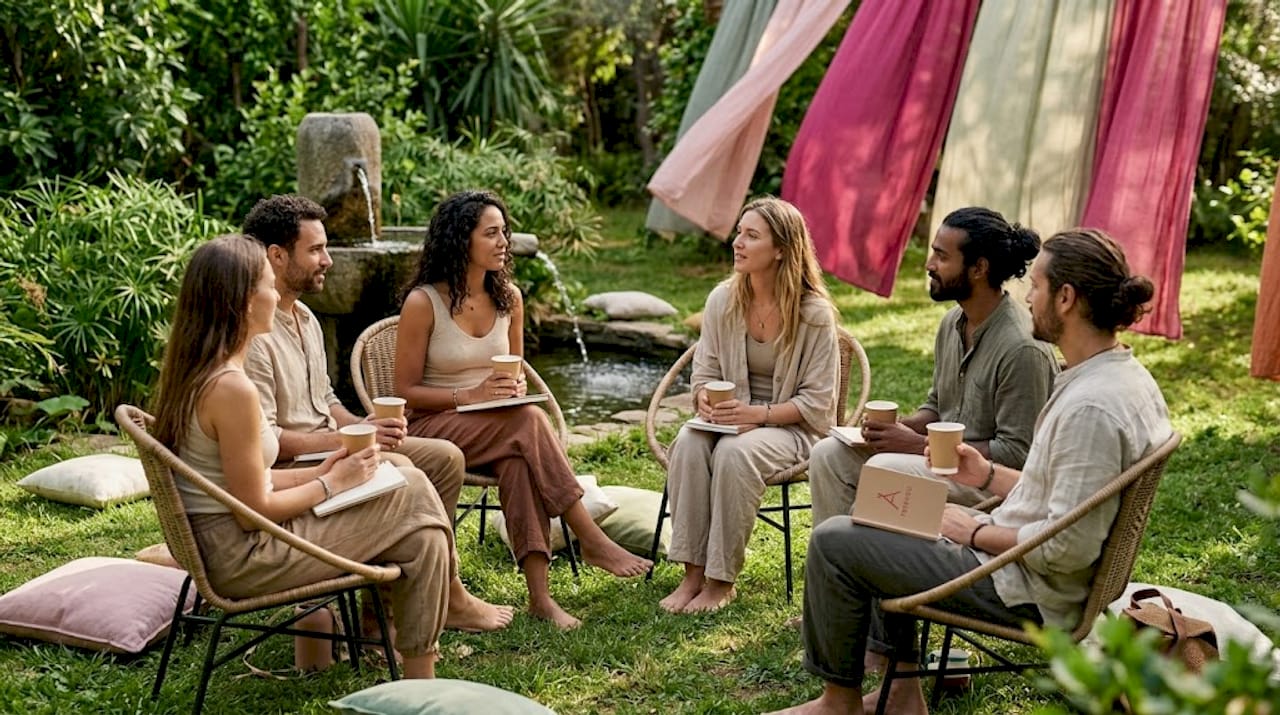
The wellness travel experience has evolved sharply. 2026 wellness tourism trends point to four clear directions that are redefining what travelers can expect.
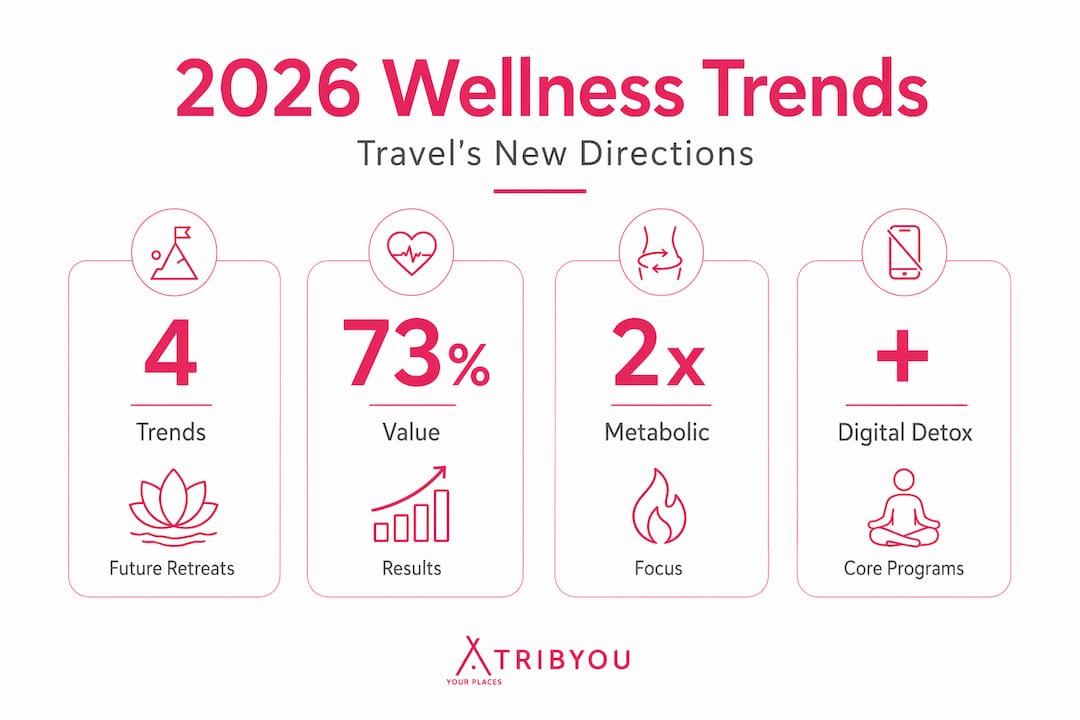
| Trend | What it looks like | Who it serves |
|---|---|---|
| Longevity and metabolic health | Blood panels, VO2 max testing, hormone optimization programs | High-performance travelers, 40+ demographic |
| Sleep-forward design | Circadian lighting, no-device suites, sleep coaching | Burnout recovery, frequent flyers, remote workers |
| Trauma-informed mental health | Licensed facilitators, somatic therapy, group processing | Emotional recovery, grief, life transitions |
| Hybrid work-wellness retreats | Structured work blocks, tech boundaries, evening wind-downs | Digital nomads, remote teams |
The longevity focus is perhaps the most significant shift. Retreats that once offered generic detox programs now run metabolic panels and design interventions around your specific biology. This is traveling for health and wellness at a level of precision that was simply not available at retreat programs five years ago.
The hybrid work-from-retreat model is gaining real traction among remote workers and digital nomads. Morning movement, focused work blocks in the afternoon, and structured evening wind-downs create a rhythm that many people find more productive than working from home. The retreat does not interrupt work. It makes you better at it.
Wellness-focused hospitality is also shifting traveler preferences around sustainability. Retreats that connect personal wellbeing to ecological regeneration are attracting travelers who want their health investment to extend beyond themselves.
Pro Tip: If you are a remote worker or part of a team considering a retreat, look specifically for programs that publish their daily schedule. A retreat with a clear structure for work hours and wellness sessions is designed for productivity, not just passive relaxation.
Retreats for specific life phases are also expanding rapidly. Programs designed around menopause, fertility support, and multigenerational family wellness reflect a recognition that travelers have very different biological needs at different stages of life. Generic programs are giving way to targeted ones.
How to choose a wellness retreat that actually works
Choosing the right retreat starts before you open a single booking page. It starts with clarity about what you actually need.
Ask yourself these questions first:
- What is my primary goal? Sleep improvement, stress management, emotional reset, physical fitness, and longevity optimization each require different program designs.
- How much structure do I want? Some travelers thrive with a fully scheduled day. Others need space for unstructured reflection. Both are valid, but the right retreat depends on your answer.
- What is my threshold for digital detox? Full device-free environments produce faster results, but they require psychological readiness. Be honest about where you are.
Once you know what you need, evaluate retreats on these criteria:
- Certifications and facilitator credentials. Qualified therapists, licensed nutritionists, and certified fitness instructors signal a serious program. Ask directly.
- Personalization depth. Does the retreat offer pre-arrival assessments? Will your program be adapted based on what they find? Or is everyone following the same schedule?
- Post-retreat support. Exit consultations, take-home routines, and follow-up check-ins are what convert a five-day experience into lasting change. A retreat that ends at checkout without any handover plan is leaving the most valuable part on the table.
- Location and environmental connection. Nature-led settings amplify the impact of mindfulness and movement programming. Coastal wellness environments in particular combine restorative landscape with mental health benefits.
Pro Tip: Request a sample daily schedule before booking. The distribution of time across movement, therapy, nutrition, mindfulness, and free time tells you more about a retreat's philosophy than any marketing description.
Integrating your retreat gains into daily life after you return is where most people lose ground. The retreats that structure an exit consultation and provide a written routine for the first two weeks back are the ones whose benefits actually persist. Prioritize those programs.
My perspective on wellness travel in 2026
I have worked with travelers across dozens of retreat experiences, and the pattern I keep seeing is this: the people who get the most from a wellness retreat are the ones who arrive with a specific intention, not just a desire to feel better.
What strikes me about 2026 is how much the science has caught up with the experience. We are no longer selling relaxation as a vague promise. Retreats now deliver data. You can see your cortisol shift. You can track your sleep architecture improving. That precision changes how travelers engage. They stop being passive guests and start being active participants in their own health.
The trend I find most compelling is the emergence of retreats that hold both productivity and wellbeing without treating them as opposites. The hybrid work-wellness model at TribYou - Your Places and similar platforms reflects something real: the travelers who are most chronically exhausted are often the most professionally driven. A retreat that respects their need to stay connected while genuinely restoring their capacity to perform, that is not a compromise. It is a design solution.
My honest advice: stop looking for the most beautiful setting and start looking for the most thoughtful program. The setting matters, but the structure delivers the results.
— Luca
Discover curated wellness retreats with TribYou - Your Places
At TribYou - Your Places, wellness is not an add-on to travel. It is built into how every retreat experience is designed and curated.
TribYou - Your Places connects travelers, remote workers, and teams with retreat experiences that combine authentic local immersion, personalized wellness programming, and the kind of environments that produce real recovery. Whether you are looking for a solo wellness reset, a workation with built-in wellbeing structure, or a team retreat that returns your group energized and focused, the TribYou platform brings together vetted hosts, experience providers, and destinations in a single ecosystem. Every retreat on the platform is selected for depth of program, quality of facilitators, and connection to local community. This is wellness travel built with intention.
FAQ
What do wellness retreats typically include?
Quality wellness retreats include personalized health assessments, spa therapies led by certified practitioners, expert-led fitness classes, nutritionist-designed meals, mindfulness programming, and sleep-optimized accommodations. Many now add biometric testing for deeper personalization.
How long should a wellness retreat be to see real benefits?
Most structured wellness retreats run 4 to 7 days, which research supports as sufficient time to reduce stress, recalibrate sleep, and begin forming new health habits with measurable post-retreat effects.
Can wellness retreats work for remote workers and digital nomads?
Yes. Hybrid work-wellness retreat formats offer structured work blocks alongside morning movement, tech boundaries, and evening wind-down routines, making them well-suited for remote workers who want to protect both productivity and wellbeing.
How do I evaluate whether a wellness retreat is worth the investment?
Look for clear facilitator credentials, personalized programming based on health assessments, and a structured post-retreat handover with take-home routines. Retreats that measure outcomes rather than just delivering experiences offer the strongest return.
What is the impact of wellness retreats on mental health?
Mental health programming at wellness retreats, including guided meditation, breathwork, coaching, and group sharing, leads to measurable improvements in mood, stress levels, and emotional resilience, with benefits that studies report lasting weeks after the retreat ends.